
Mold changes
Service-part runs steal mold-change time away from high-volume production.
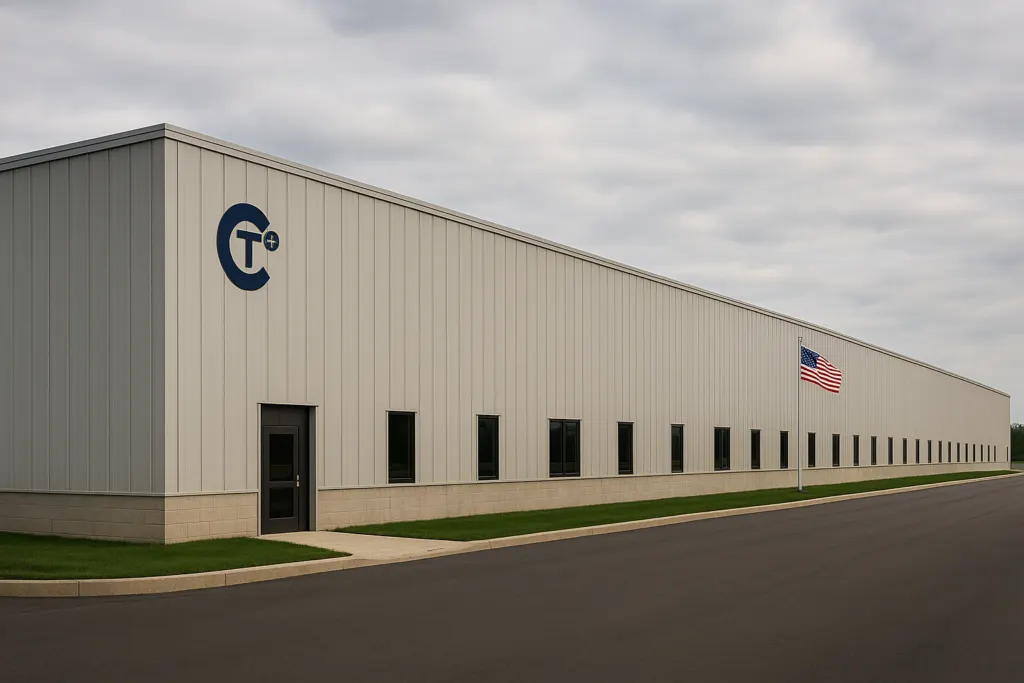
Transfer your service-parts portfolio — tooling, low-volume runs, assembly, packaging, and logistics — to Core-Tech Inc.'s North American facility, built around exactly this kind of program.
A line runs best when it isn't interrupted. Service-part work has a way of interrupting it anyway — every item below pulls real hours, real space, and real attention away from high-volume production.
Service-part runs steal mold-change time away from high-volume production.
Hours lost locating service-part tooling across crowded tool storage.
Inserts, hardware, and BOM components for low-volume parts demand attention disproportionate to revenue.
Niche resins for service parts sit on the floor, tying up space and cash.
Service-part packaging clutters areas that should hold production materials.
Short runs disrupt the rhythm of a line designed around volume.
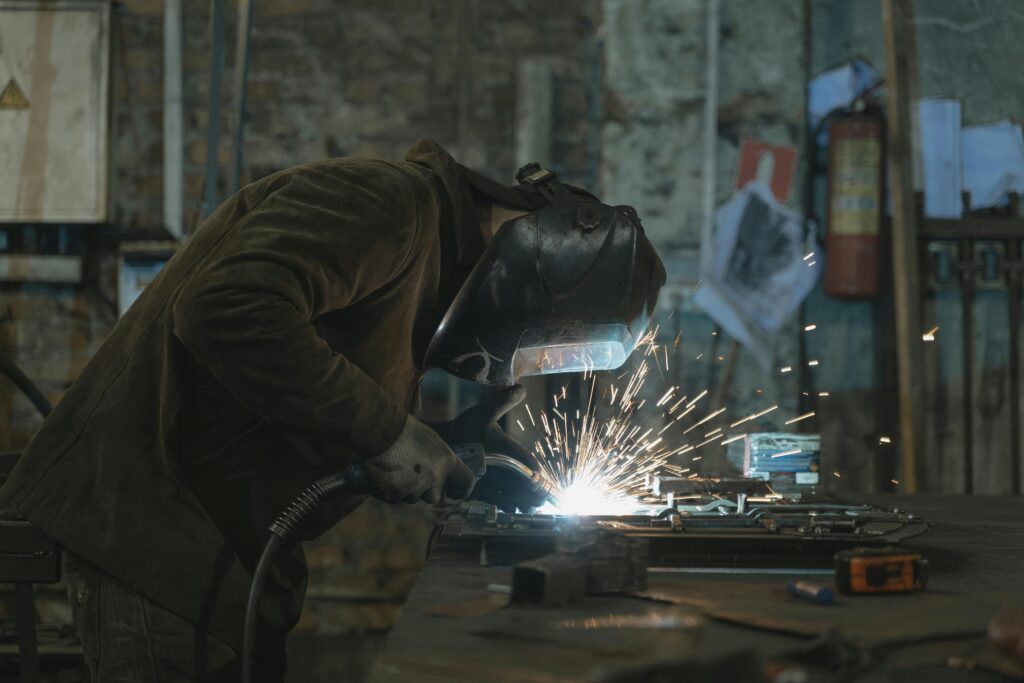
Hand assembly for service kits pulls manpower off the production line.
Pick, pack, label, and ship for service parts is an entirely different operation than a high-volume production flow.
Service work occupies real estate that could be running revenue-generating production.
Every hour spent on service parts is an hour a high-volume line isn't producing. Core-Tech's North American facility is set up specifically to take that work on.
Everything below moves into Core-Tech's North American facility as part of a service-parts program transfer. Engage one piece — or hand off the whole stack.
Incoming tool assessment, dimensional checks, and documented condition reports before any production run.
Tool repair and ongoing preventive maintenance, included in the service-parts program.
Service-part and low-volume molding with the flexibility a high-volume line is not built for.
Right-sized runs for service, aftermarket, and legacy programs — without disrupting a high-volume line.
Hand and fixtured assembly for multi-component service parts, inserts, fasteners, and sub-assemblies.
Customer-spec packaging, kitting, and labeling — finished goods ready to ship.
Material sourcing, dedicated storage, and traceable lot control across resins and additives.
Tracked inventory of inserts, hardware, and bought-in components.
Pack, palletize, and ship on your schedule.
Structured transfer of full service-part portfolios from your facility or an exiting supplier.
Most service-parts programs follow the same path into Core-Tech's North American facility. Each step is documented and visible.
Core-Tech reviews annual volumes, part numbers, resin and BOM, assembly steps, packaging specs, labeling, and customer work instructions — so quoting reflects the actual program, not a guess.
Transferred tools are inspected against the part print. Wear, damage, and missing components are documented and presented back to you with repair options before any production starts.
Approved repairs are completed and ongoing preventive maintenance is rolled into the service-parts program so tools stay production-ready run after run.
Injection molding, low-volume runs, assembly, labeling, and packaging — executed against your specs and quality requirements.
Logistics coordinated end-to-end, so your team receives finished goods instead of managing tool storage, resin, inserts, packaging, and service-part scheduling.
When a service-parts portfolio moves to Core-Tech's North American facility, the wins show up on your floor — less interruption, less storage, less drag on the people you hired to run production.
Service-part mold changes, short runs, and assembly move off your line — your flow stays clean.
Service-part tooling moves to Core-Tech, freeing your tool crib for production tools.
Niche resins and service-part packaging come off your shelves.
Mold changes for low-volume runs are handled by a team that specializes in this work.
Service parts get production discipline from a partner built around this kind of program.
Your operators, leads, and engineers can focus on the programs that pay back hours of attention.
Floor space gets reclaimed for what your business actually monetizes.
Tooling, molding, assembly, packaging, and logistics coordinated by one commercial and technical contact.
Anonymized by default — customer names and logos are used only with written permission.
The first conversation goes faster with a few items in hand. You do not need all of these — start with what you have.
Service-part numbers, expected annual demand, and any seasonal or campaign patterns.
Material specs and bill of materials for each part — inserts, hardware, sub-components.
Work instructions, fixturing notes, packaging configurations, and labeling requirements.
Where the tools live now, last shot date, and any known condition issues.
PPAP packages, recent quality issues, customer-specific requirements (CSRs).
Ship-to locations, lead time, and how you would like finished goods delivered.
The fastest way to start a transfer conversation is a short note with your part list and tooling status — we'll come back with a realistic path.